BIOLOGY
get here top 1000 Biology MCQs
Show Answers
چار آپشن میں سے کسی ایک پر کلک کرنے سے جواب سرخ ہو جائے گا۔
Mantoux ٹیسٹ میں مندرجہ ذیل میں سے کس خلیات نے حصہ لیا؟
Red Blood Cells
Epithelial Cells
Nerve Cells
Macrophages Cells
اس سوال کو وضاحت کے ساتھ پڑھیں
Explanation
The Mantoux test, also known as the tuberculin skin test
Primarily involves macrophages, which present the antigen to T cells
Leading to an inflammatory response.
This response is what causes the induration (swelling) at the test site.
Isoniazid
Rifampicin
Pyrazinamide
Ethambutol
اس سوال کو وضاحت کے ساتھ پڑھیں
Explanation
Ethambutol is known to be toxic to the eyes, potentially causing optic neuritis and vision changes, particularly affecting color vision.
Regular monitoring of visual acuity and color vision is recommended for patients taking ethambutol to detect any signs of ocular toxicity early.
Kayser-Fleischer (KF) کی انگوٹھیاں نظر آتی ہیں؟
Wilson's disease
Multiple sclerosis
Hepatitis Iron
deficiency anemia
اس سوال کو وضاحت کے ساتھ پڑھیں
Explanation
Kayser–Fleischer (KF) rings are a common ophthalmologic finding in patients with Wilson disease.
They are caused by the deposition of copper in the Descemet's membrane of the cornea
And are typically observed through slit-lamp examination.
The presence of KF rings is an important diagnostic feature for Wilson's disease
A genetic disorder that leads to excessive accumulation of copper in the liver, brain, and other tissues.
بڑے پیمانے پر پروٹینوریا کے ساتھ ہونے کا سب سے زیادہ امکان ہے۔
Constrictive Pericarditis
Tamponade
Restrictive Cardiomyopathy
Nephrotic syndrome
اس سوال کو وضاحت کے ساتھ پڑھیں
Explanation
Massive proteinuria, typically defined as excreting more than 3.5 grams of protein per day in the urine, is a hallmark feature of nephrotic syndrome.
In this condition , the glomeruli in the kidneys become damaged
Leading to increased permeability to proteins
Resulting in their loss through the urine .
This leads to hypoalbuminemia, edema
Aand other complications associated with nephrotic syndrome.
Neuroblastoma
Osteoarthritis
Diabetes mellitus
Hypertension
اس سوال کو وضاحت کے ساتھ پڑھیں
Explanation
Neuroblastoma is one of the common childhood tumors.
It's a type of cancer that arises from immature nerve cells
Typically affects young children, usually before the age of 5.
خون بہنے کی خرابی کے مریضوں کو درج ذیل میں سے کون سی دوا نہیں دی جانی چاہیے؟
Aspirin
Ibuprofen
Erythromycin
Both A & B
اس سوال کو وضاحت کے ساتھ پڑھیں
Explanation
Aspirin should be avoided in patients with bleeding disorders
To prevent excessive bleeding and related complications.
Aspirin is an NSAID that inhibits platelet function.
In patients with bleeding disorders like hemophilia or von Willebrand disease
Aspirin can further reduce platelet function, increasing the risk of bleeding and worsening their condition.
Skin
Urine
Bone marrow
Saliva
اس سوال کو وضاحت کے ساتھ پڑھیں
Explanation
The Philadelphia chromosome, which is associated with chronic myeloid leukemia (CML) and some cases of acute lymphoblastic leukemia (ALL)
Typically detected through cytogenetic analysis of bone marrow samples.
Gynaecoid
Android
Anthropoid
Platypelloid
اس سوال کو وضاحت کے ساتھ پڑھیں
Explanation
In X-ray pelvimetry, when the inlet shows a transverse diameter greater
Then the anterior-posterior diameter, the most common type of pelvis is the gynaecoid pelvis.
This type of pelvis is considered the typical female pelvis
And is most favorable for childbirth due to its rounded shape and wide dimensions.
Recessive traits
Dominant traits
Homozygous traits
Heterozygous traits
اس سوال کو وضاحت کے ساتھ پڑھیں
Explanation
In Mendel's pea plant experiments,
When he crossed purebred pea plants with contrasting traits (like purple and white flowers),
The F1 generation offspring all exhibited the dominant trait (purple flowers in this case).
The recessive trait (white flowers) disappeared in the F1 generation but reappeared in the F2 generation when the F1 plants self-fertilized. T
his reappearance of the recessive trait in the F2 generation confirmed that the recessive allele was still present in the F1 generation, just masked by the dominant allele.
سیل کا کون سا حصہ سیل کے تمام کیمیائی عمل کو کنٹرول کرتا ہے اور اس میں کروموسوم ہوتے ہیں؟
Cell membrane
Cytoplasm
Vacuoles
Nucleus
اس سوال کو وضاحت کے ساتھ پڑھیں
Explanation
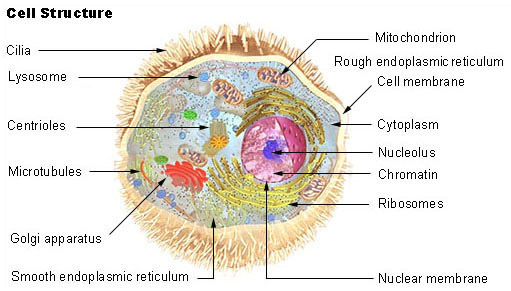
The nucleus , formed by a nuclear membrane around a fluid nucleoplasm, is the control center of the cell.
Threads of chromatin in the nucleus contain deoxyribonucleic acid (DNA) , the genetic material of the cell.